
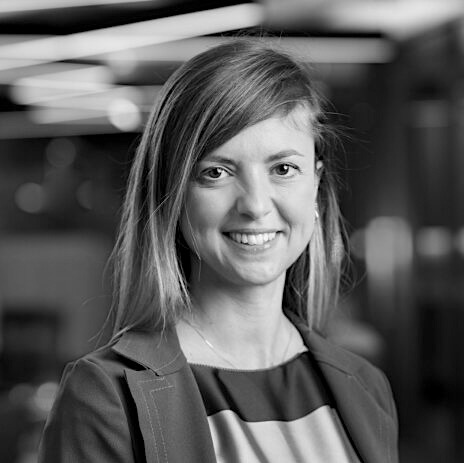
President
Associate Professor Serena Duchi is a Principal Research Fellow in the Department of Surgery at the University of Melbourne, based at St Vincent’s Hospital Melbourne and the Aikenhead Centre for Medical Discovery (ACMD). She is also a Sarcoma Research Scientist within the Department of Orthopaedics at St Vincent’s Hospital and leads the REMOD group (Regenerative Engineering and Modelling of Osteochondral Diseases).
Her research sits at the interface of cell biology, regenerative medicine, bioengineering and musculoskeletal oncology, with a strong focus on translating innovative technologies from the laboratory towards clinical application. Her work encompasses stem cell-based therapies and in situ bioprinting for cartilage regeneration, as well as advanced 3D models of osteosarcoma for studying tumour biology and evaluating new therapeutic strategies.
A/Prof Duchi has published more than 70 peer-reviewed articles and is co-inventor on three patent families. Her research has contributed to the development of clinically oriented technologies including the Biopen and QIK cartilage-repair platforms and the FOS3D osteosarcoma modelling system. She is also a Chief Investigator and Stem Cell Stream Lead within the $7M MRFF-funded ARISTOCRAT Stem Cell Therapies Mission.
linkedin.com/in/serena-duchi-b38434219
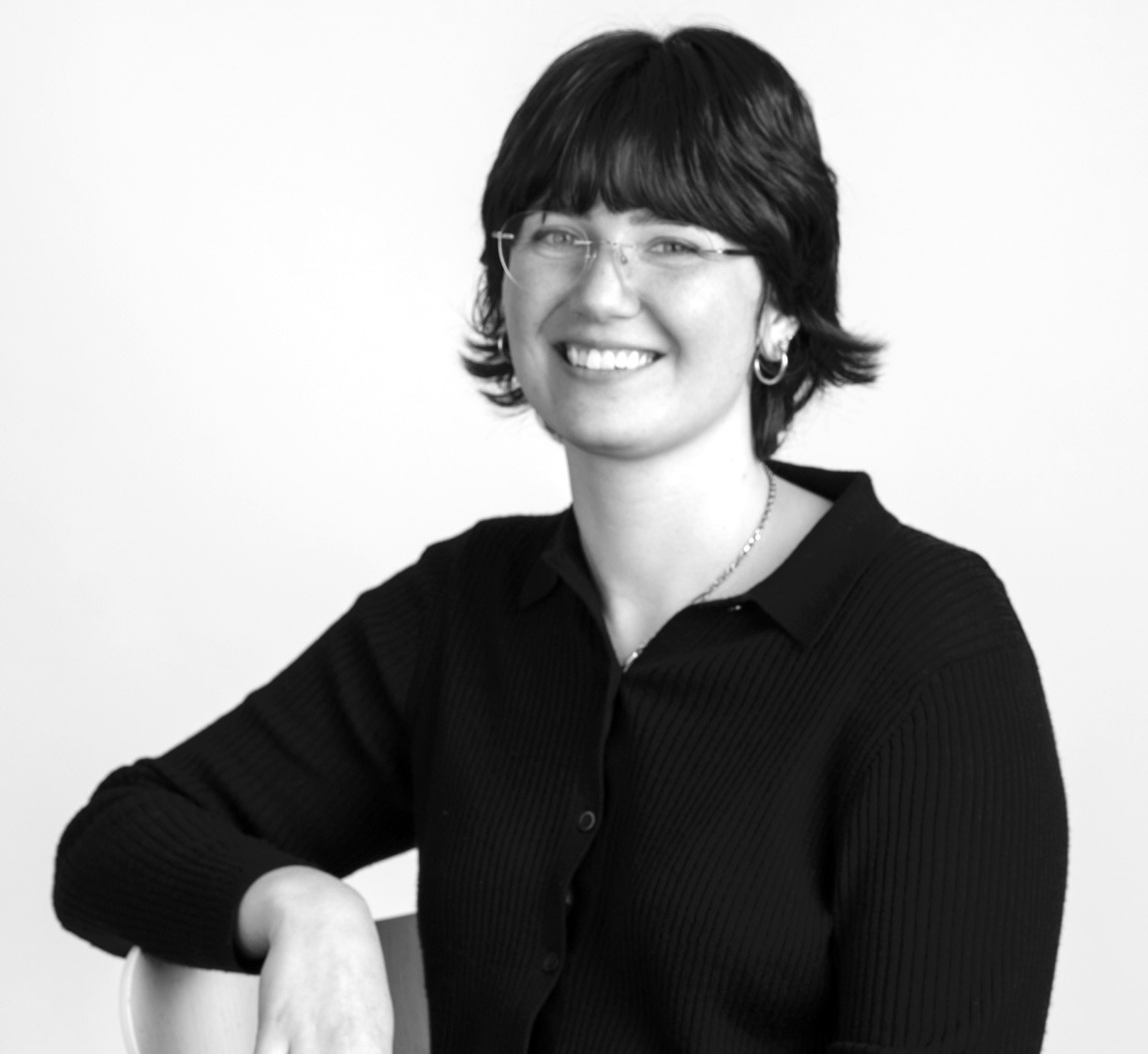
Vice-President
Dr Kate Firipis is a Bruce Hyams Rising Star Fellow within the Vascular Biology Lab at St. Vincent’s Institute of Medical Research in Melbourne, Australia.
Kate’s research investigates tissue engineering therapies for reconstructive surgical procedures involving large/deep wounds that are hard to treat or currently require tissue harvest. She utilises patient-derived human induced pluripotent stem cells, functional biomaterials and novel biofabrication strategies for innervation and vascularisation of lab-grown soft tissues such as skin.
au.linkedin.com/in/kate-firipis-209016a2

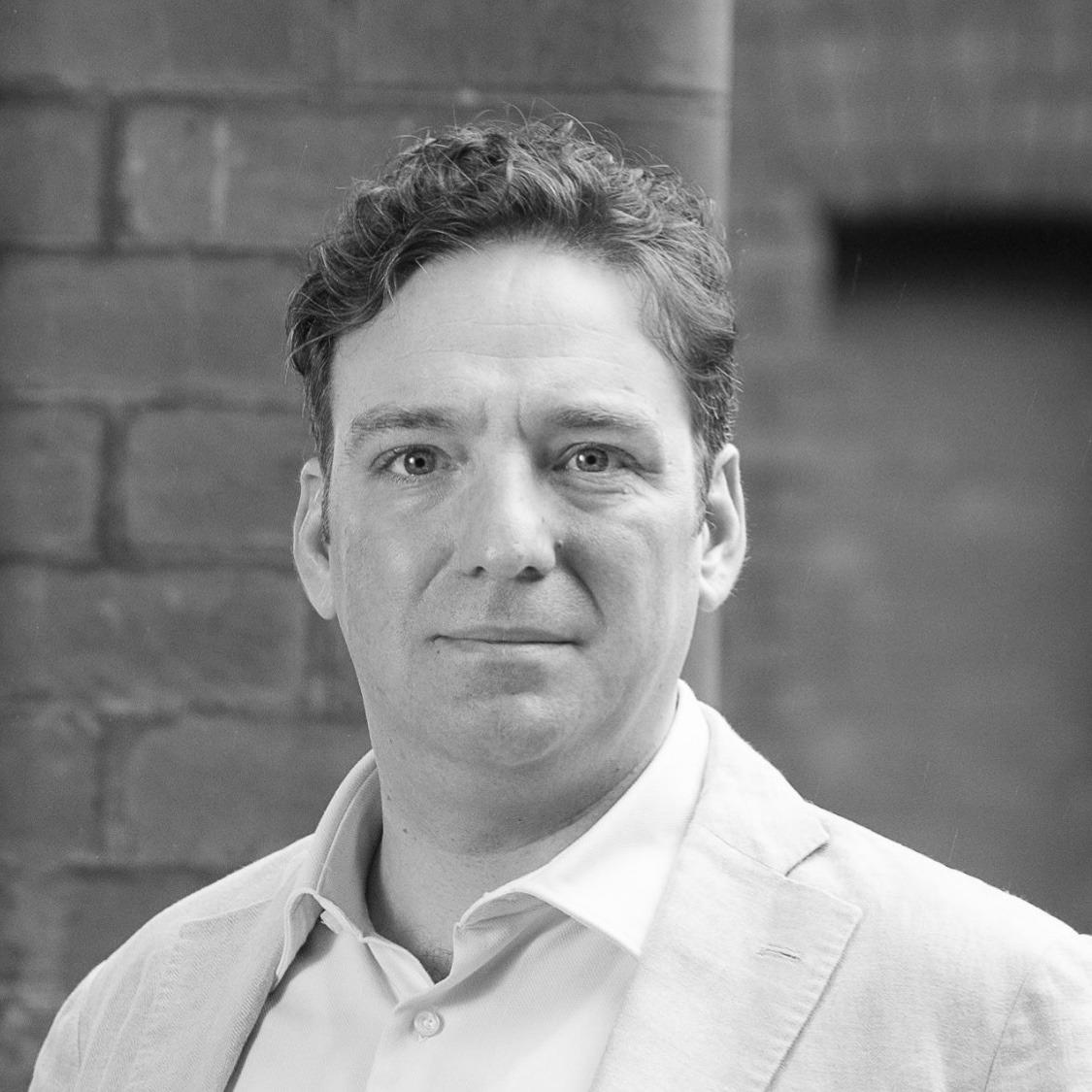
Secretary
Dr Nick Reynolds is a Vice Chancellors Senior Research Fellow (VCSRF) at RMIT University and leads the Self-Assembled Nanomaterials Lab at ACMD. His research combines elements of nanotechnology, physical chemistry, materials science and cell biology. His group conducts research in two areas of self-assembly, the first is focussed on developing an understanding of structure-function relationships of self-assembled proteins in diseases (including viral infections infecting both humans and animals). The second area of research focusses on the design, discovery and characterisation of self-assembled peptide based soft materials with applications in tissue engineering, energy harvesting, wearables and biometric sensing.
Dr Reynolds has published more than 50 peer-reviewed articles (> 90 % in Q1 journals), been named co-inventor on 5 patent applications and received over $7M funding in the last 5 years. Dr Reynolds currently leads (CIA) projects funded by the Australian Research Council (ARC DP25 ‘Unravelling the role of amyloids in viruses) and the Office of National Intelligence (NIDG26 ‘Piezoelectric Gels for Battery-Free Wearable Biometric Monitoring and Covert Data Collection’).
linkedin.com/in/nicholas-reynolds-74a16186/
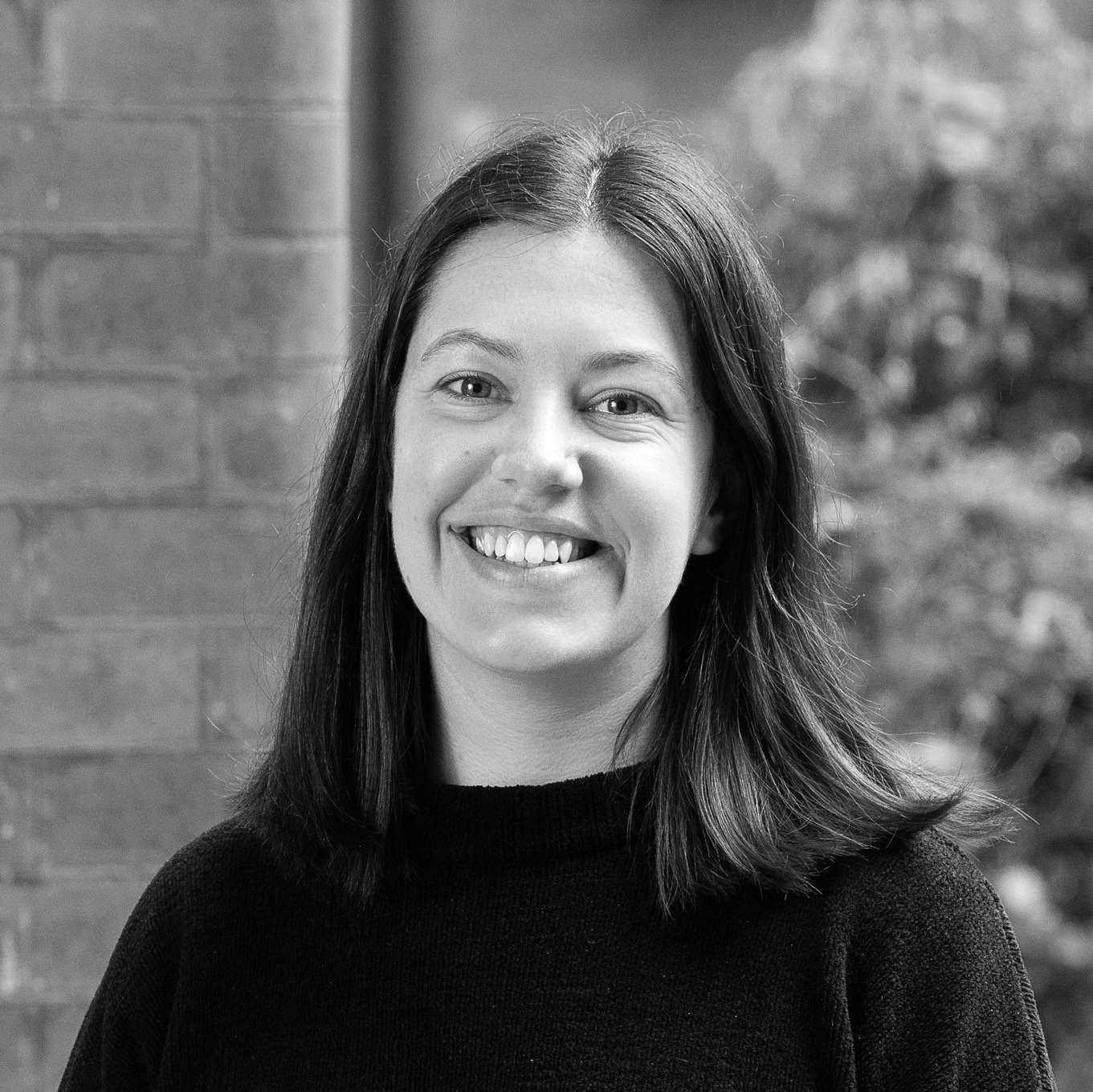
Treasurer
Carmine Onofrillo is a Senior Research Fellow in the Department of Surgery at the University of Melbourne, based at the Aikenhead Centre for Medical Discoveries in Melbourne. He holds a PhD in Oncology and Experimental Pathology from the University of Bologna and has more than a decade of postdoctoral experience in human regenerative medicine. His research focuses on human tissue regeneration, mesenchymal stem cell biology, hydrogel biomaterials and 3D bioprinting, with the goal of translating cell-based therapies into clinical practice. He worked on the developed the Biopen, a handheld device for delivering stem cells into cartilage defects. He developed a fluorescent hydrogel based approach to track remodelling of tissue engineered bioscaffolds. He is co-inventor on three international patents and has authored more than 40 peer-reviewed publications with more than 2,000 citations. He serves as a reviewer for leading journals in the tissue engineering field including Biomaterials, Advanced Healthcare Materials and Biofabrication. He received paramount funds from the University of Melbourne, The Harold and Cora Brennan Benevolent Trust, the Australian Orthopaedic Association, the CASS foundation and the St. Vincent's Hospital Research Endowment Fund. He is a member of the Australasian Society for Biomaterial and Tissue Engineering and the Tissue Engineering and Regenerative Medicine International Society.
linkedin.com/in/carmine-onofrillo-1962b6250
Scientific Officer
Stephanie is a biomedical engineer and early career researcher at Monash University. She has a background in biofabrication for musculoskeletal tissue regeneration. During her PhD she co-developed a sacrificial printing technique to expand the profile of materials and design complexity that can be achieved using a basic 3D printer. She has then gone on to apply this technique to various studies related to cartilage and bone. In her current work she is focused on microfabrication of hydrogels to gain a deeper understanding of the relationship of stem cells and their surrounding environment.

Senior Executive Member
Dr Lilith M.C. Aguilar is a Research Fellow in Biomedical Engineering at the University of Melbourne and an NHMRC Emerging Leadership Investigator pioneering catalytic and metabolic biomaterials: engineered materials that actively regulate biochemical reactions and cellular metabolism to control tissue microenvironments.
Her research moves beyond conventional biomaterials as structural scaffolds by incorporating catalytic proteins, enzymes and metabolic regulators as functional components of material design. Her work sits at the intersection of drug delivery systems and tissue engineering including application in cartilage, bone, brain repair and pancreatic cancer.
She has authored more than 40 research outputs, with over 1,000 citations, including publications in Nature, Nature Communications, Adv. Science, ACS nano among others. She has secured more than $6.8 million in competitive research funding as a Chief Investigator, including funding from the NHMRC, MRFF, CASS Foundation and institutional schemes. Her contributions have been recognised through an NHMRC Investigator Grant (EL1), the Outstanding Postdoctoral Researcher Award and other research distinctions.
Lilith contributes broadly to the biomaterial’s community through research supervision, scientific leadership, peer review and editorial activities. She serves as a reviewer for leading journals including Journal of Controlled Release, Biomacromolecules, ACS Applied BioMat and Chemical Engineering Journal.
https://www.linkedin.com/in/lilithcaballeroaguilar/

A/Prof Anita Quigley
Senior Executive Member